




“Wonderful humans, and very good at what they do. Let them help you make your business better.”

"They were innovative in their approach and really got us thinking about who we are at the core.”

"What a thoughtful and joyful experience. I want to start a new business and do it again."

You?
A rebranding and brand refresh agency in Melbourne for businesses that have outgrown their brand.
Merged, expanded, repositioned or just quietly grown up. From our studio in Mornington, for businesses across Melbourne and Australia.
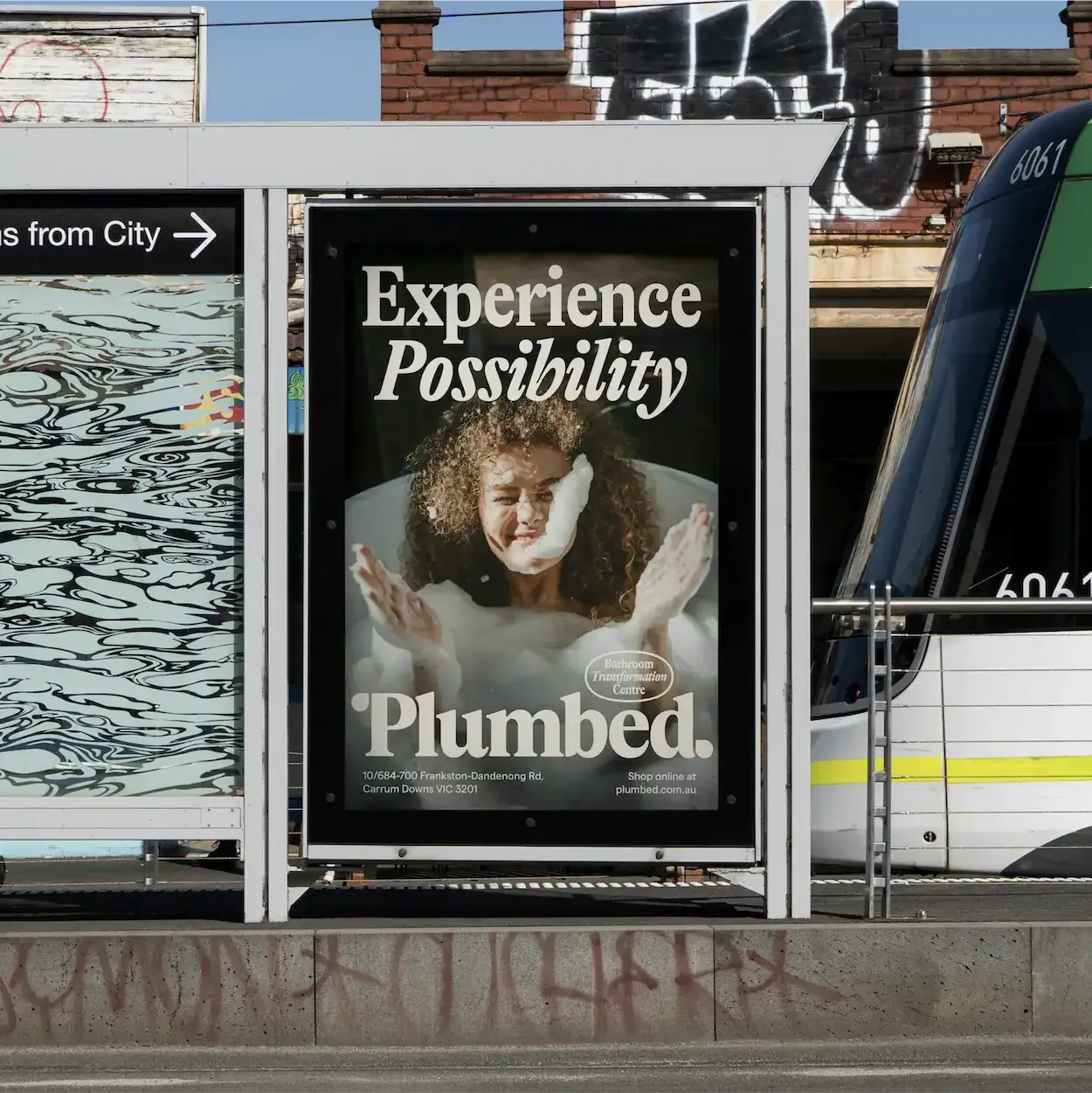
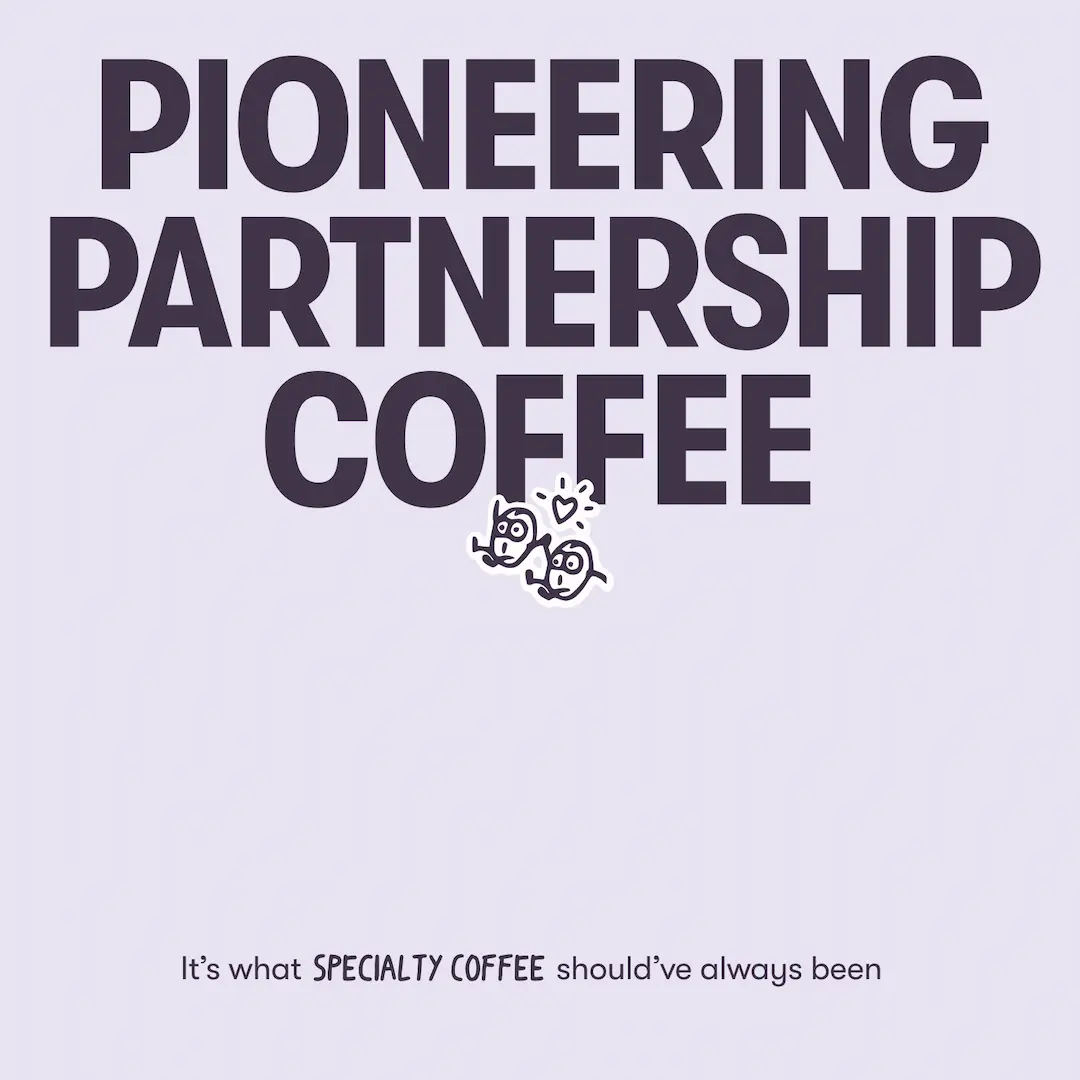
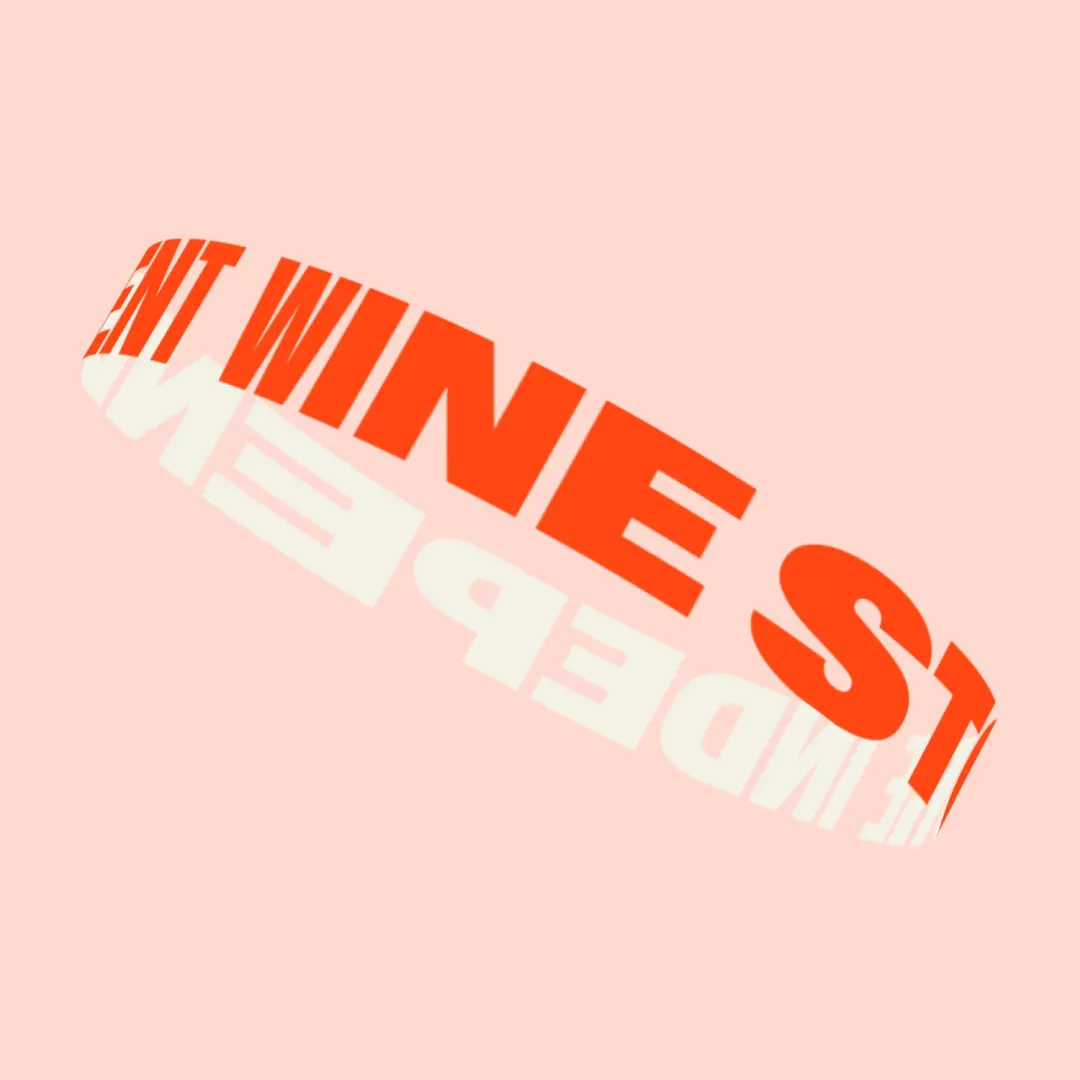


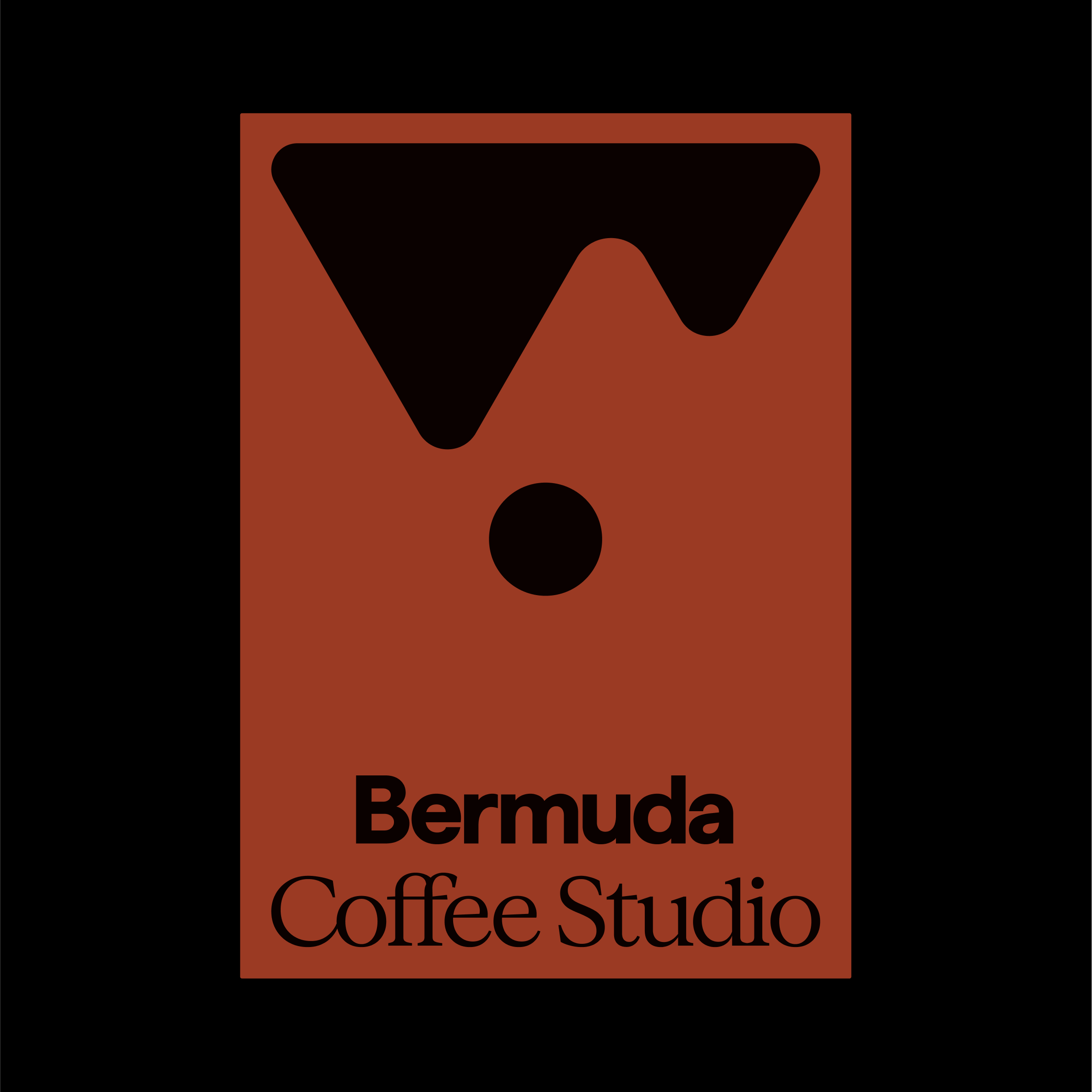




Positioning isn't what you say. It's what you do.
It changes the choices you make: what you offer, who you serve, how you price, how you talk, what you say no to. Plumbed stopped being a bathroom warehouse and became a transformation centre. Commonfolk became partnership coffee. Both started with the same question: what business are you really in?
Brand refresh: same idea, better finish
The position is right and the brand has aged: the logo breaks on a phone screen, the voice has wandered, the guidelines never held. A refresh keeps the name and the idea and updates the execution: logo, palette, type and tone.
- Changes: logo, palette, type and tone
- Stays: name, position and core idea
- Starts with: an audit
- Investment: from AUD 10,000 + GST for the design; two to six months end to end with rollout
Is a refresh what we need?
Choose this if customers still describe you the way you would like, but the brand looks behind the business.
Partial rebrand: new expression, same name
The business has moved and the brand has not kept up. The identity and the messaging need real change, but the name still carries trust worth keeping.
- Changes: identity and messaging
- Stays: name and core position
- Starts with: an audit
- Investment: scoped per brief
Is a partial rebrand what we need?
Choose this if you have grown into new services or new customers and the brand still describes the old ones.
Full rebrand: a new place in the market
This is a decision about who you are for, what you offer and why anyone should choose you, more than a change of look. Sometimes the name does not survive it; the identity usually follows.
- Changes: position, story, often name and identity
- Stays: little, by design
- Starts with: an audit and strategy
- Investment: scoped per brief
Is a full rebrand what we need?
Choose this if you compete as one of the good ones and want to be the only one, or a merger, a new category or a pivot has changed what the business is. Groups bringing several names together start with brand architecture. Law, accounting and financial firms have their own page: corporate branding.


Brand Audit & Diagnosis
You can't know where to go if you don't know where you are. We start with a thorough audit of what you've got: brand assets, customer perception, competitor landscape, internal alignment and a clear-eyed view on what's still working, what's holding you back, and what's worth protecting. Sometimes the answer that comes out of an audit is don't rebrand yet. We'd rather tell you that now than six months in.
- Brand audit and asset inventory
- Customer and stakeholder perception research
- Competitor and category mapping
- Internal alignment interviews
What is a brand audit?
A brand audit is a structured diagnostic of your current brand: assets, perception, competitor context, internal alignment. The output isn't a polished slide deck. It's a clear read on what's working, what isn't, and what type of intervention (refresh, partial rebrand or full rebuild) would actually make a real difference. It often pays for itself in the rebrand it stops you doing.
Repositioning & Brand Strategy
- Positioning and category strategy
- Brand narrative and messaging framework
- Naming and renaming (if required)
- Brand architecture and sub-brand structure
- Tone of voice and verbal identity
- Audience definition and segmentation
This is where most rebrands go wrong. Someone gets excited about new colours, a mood board goes up, and six weeks later the brand looks different but still doesn't solve the problem that triggered the project. We do the strategic work first: positioning, narrative, messaging, naming if it's needed and design downstream of that. Every visual choice has a reason behind it, because the reason was decided before the design started. If your identity could be swapped with a competitor's and no one would notice, you haven't built identity, you've built camouflage.
Why does strategy come before design?
Because design without strategy is decorating. The most expensive rebrand mistake is building something beautiful that doesn't mean anything: a brand that looks different but says the same forgettable thing as everyone else in your category. Strategy is what makes the design inevitable rather than arbitrary.
Identity, Voice & System Design
Once the strategy is settled, we build the new system across three layers: visual (logo, type, colour, photography, iconography, motion), verbal (voice, tone, messaging, naming conventions), and experiential (how the brand shows up across packaging, signage, web, social, environments). Every layer designed to express the positioning, not decorate it: a complete identity that flexes across every touchpoint without losing coherence. The brands that get this right don't just look different. They feel different and that feeling compounds into something competitors can't easily replicate.
- Logo, typography and colour
- Photography and illustration direction
- Iconography and brand patterns
- Motion and brand animation
- Verbal identity — voice, tone, messaging
- Brand guidelines and design systems
- UI / digital surface design
Is a new logo enough?
Almost never. A logo is one element inside a system. A new logo on the same broken experience is what we call lipstick on a pig: it changes the impression for about ten seconds, then the actual brand reasserts itself. The identity has to be a system, applied consistently, and built on a strategy that holds.
Will we lose our existing brand equity?
A good rebrand protects brand equity: it doesn't destroy it. We identify what's still working in your current brand (recognition, trust associations, emotional connections) and build the new system to carry that forward. The goal is evolution, not amnesia. Most rebrands should feel familiar to existing customers, even when they're objectively different.
Rollout
A rebrand only counts when it lands. The design and strategy are the smaller part of the investment: implementation is where most rebrands stumble. We plan the rollout from the start, sequence it properly (internal first, always), and execute across every touchpoint that matters. Then we stick around for the stewardship because brands drift, and a system that isn't maintained becomes the next rebrand brief.
- Rollout
- Brand guidelines
- Print, packaging, signage, environmental
- Social and content templates
- Internal launch: team alignment, training, brand toolkit
A clear, repeatable process for rebranding without losing what you've already built.
Audit & Diagnose
We start by understanding what you've got brand assets, customer perception, competitor landscape, internal alignment. We're looking for what's working and worth protecting, what's holding you back, and the honest answer to whether you need a refresh, a partial rebrand or a full rebuild.
Position & Strategise
The strategic core. Positioning, narrative, messaging and clear answers to why the rebrand is happening, what needs to change, what needs to stay, and who this is for. This phase involves leadership, not just marketing. Rebranding is a business decision, not a marketing exercise.
Design the System
Now we design. Logo, type, colour, photography direction, iconography, motion, voice, messaging: every decision tied back to the strategy, every element working as part of a coherent system. Brand guidelines so it can be applied consistently without us in the room.
Launch
Your team meets the new brand before your customers do because if your own people can't articulate why it changed, your customers won't either. Then we go public: coordinated rollout across website, social, signage, collateral, advertising telling the story of why, not just the what.
It depends entirely on scope. Starting prices, + GST:
- Brand Refresh (from AUD 10,000 + GST): light update of an existing system — modernised logo, refined palette, sharper voice. The structure is sound; you're updating the finishes.
- Partial Rebrand: significant identity and messaging change, with the name and core positioning kept intact. A pragmatic middle ground when the brand expression no longer fits but the name still carries equity.
- Full Rebrand: new everything: positioning, name, identity, system, voice. High-stakes, high-reward, the right call when the situation genuinely demands it.
Two honest notes. First: the design and strategy fees are usually the smaller part of the investment. Implementation across signage, collateral, web, social and packaging often costs 1–3x the design itself. Second: the cheapest rebrand is the one you only have to do once. A strategically sound rebrand will deliver more value than a beautiful one at three times the price that doesn't solve the underlying problem.
- Brand Refresh: 4–8 weeks for the design, two to six months end to end with rollout and content
- Partial Rebrand: 8–16 weeks
- Full Rebrand: 4–9 months for the strategy and system, with implementation rolling out across the months that follow
Big enterprise rebrands with global rollouts can run a year or more. We'll give you a clear timeline at quote stage based on scope.
The audit tells us. As a rule: if the business has not fundamentally changed but the brand has fallen behind, a refresh or a partial rebrand; if the business has pivoted, expanded, merged or repositioned, a full rebrand. Most businesses that think they need a full rebrand need a smaller job, and if the honest answer is do not rebrand yet, we say so now rather than six months in. The three are compared above.
Brand identity work is building or refining the visual and verbal system: logo, type, voice, the things that make a brand recognisable. Rebranding is the larger act. It includes identity work, but it also touches positioning, naming, messaging, and how the brand shows up in the world. Identity is a layer inside a rebrand. A rebrand is the whole intervention. If the question is "do we just need a stronger visual system?" that's identity. If the question is "does our brand still fit the business?" that's a rebrand.
"Wonderful humans, and very good at what they do. Let them help you make your business better."
You'll receive an email from us with next steps momentarily.
Looking for local services?